Skip to content

Completing addiction treatment is one of the bravest and most meaningful milestones a person can reach. Yet, true healing continues long after rehab ends. Recovery is not just about staying sober; it is about rebuilding your life, reconnecting with your purpose, and discovering a sense of renewal. For many individuals, this process takes patience, self-awareness, and ongoing support. At White Deer Run, clients are guided through this next chapter with compassion and individualized care to help them build lives rooted in balance, confidence, and hope.

Understanding the Journey Beyond Treatment

Recovery doesn’t stop once you leave a treatment program. In many ways, it’s the beginning of a new way of living. The early stages of post-treatment life often bring challenges like adjusting to daily routines, managing stress, and rebuilding relationships. This is why continued support through outpatient programs, counseling, and community engagement is so important. White Deer Run emphasizes a holistic, long-term approach to recovery that addresses physical, emotional, and spiritual health.

Step 1: Build a Healthy Foundation

Prioritize Physical Wellness

Rebuilding your health starts with taking care of your body. Regular exercise, balanced nutrition, and adequate rest help restore energy and mental clarity. Even small, consistent habits—like daily walks or mindful eating—can make a significant difference. Physical wellness is closely connected to emotional stability, giving you the strength to manage cravings and stress.

Support Mental and Emotional Healing

Many people in recovery face ongoing mental health challenges such as anxiety, depression, or trauma. Continuing therapy plays a key role in maintaining progress. Evidence-based treatments like Cognitive Behavioral Therapy (CBT) and Dialectical Behavior Therapy (DBT) help you identify triggers, manage emotions, and replace old coping patterns with healthier ones. At White Deer Run, these therapies are integrated with holistic approaches to support complete healing.

Step 2: Rebuild Relationships and Community Connections

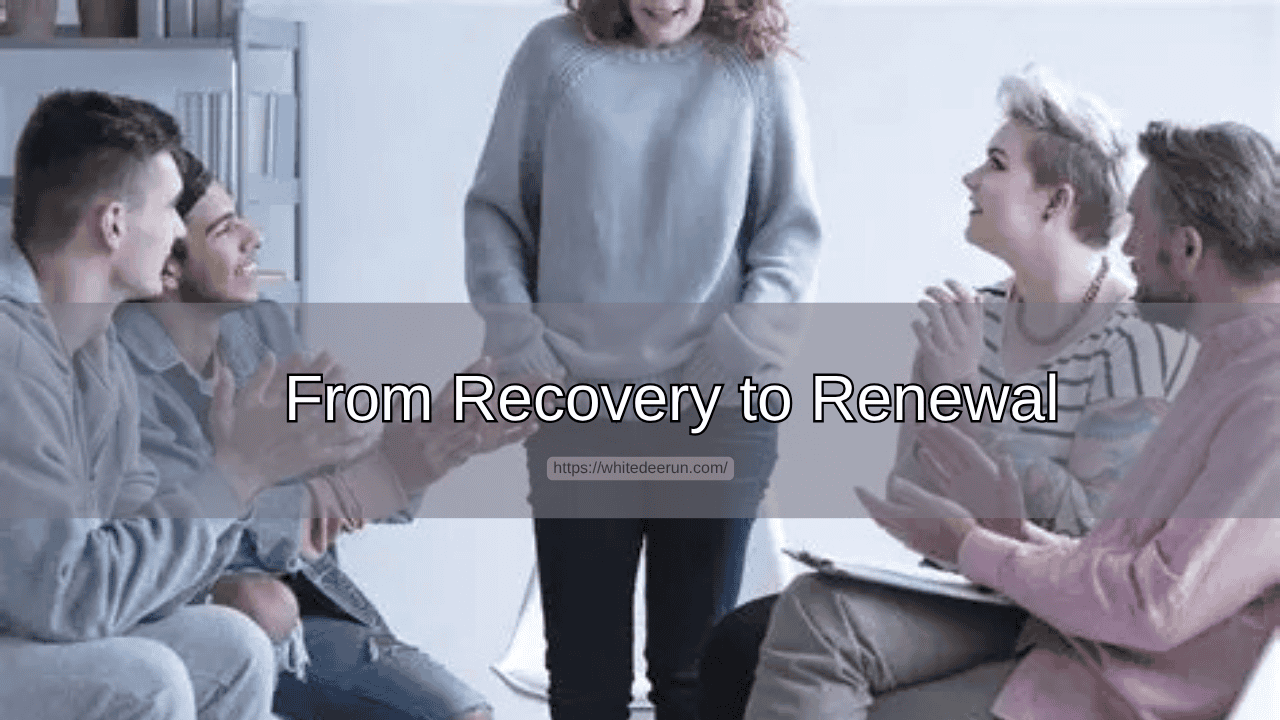
Addiction often isolates individuals, creating distance between family, friends, and loved ones. Recovery is an opportunity to rebuild those relationships with honesty and care. Family therapy can help repair trust and improve communication, while group therapy and peer support programs offer encouragement from people who truly understand the journey. Staying connected to a sober community fosters accountability and belonging, which are essential for long-term success.

Step 3: Discover Purpose and Meaning

A meaningful life in recovery goes beyond abstaining from substances. It’s about finding what makes you feel fulfilled and alive. Setting realistic goals, exploring new interests, volunteering, or pursuing education and career opportunities can provide a sense of direction. Many individuals also find renewal through faith or spirituality, which can bring peace, hope, and perspective. White Deer Run encourages clients to explore what gives their lives meaning, helping them rediscover who they are beyond addiction.

Step 4: Commit to Ongoing Growth

Recovery is not a destination but a lifelong process of learning and growth. Developing a relapse prevention plan, attending therapy, and maintaining healthy routines are key to staying grounded. Celebrate progress, no matter how small, and practice self-compassion along the way. Setbacks may happen, but with support and perseverance, you can continue to move forward stronger than before.

Reclaiming Your Life Starts Today

From recovery comes renewal—a chance to live with intention, strength, and purpose. Reclaiming your life after addiction means choosing healing every day and surrounding yourself with people and practices that nurture your well-being. At White Deer Run, clients are not defined by their past but empowered by their potential.

If you or someone you love is ready to take the next step toward lasting recovery, reach out today. With the right care, guidance, and commitment, a fulfilling life of freedom and renewal is within reach.

Completing addiction treatment is an incredible achievement. It marks not only the end of active substance use but also the beginning of a new and hopeful chapter. Yet, life after addiction is about more than simply staying sober. It is about rebuilding purpose, repairing relationships, and creating a life that feels meaningful and fulfilling. With the right support, mindset, and strategies, you can build a future that truly reflects the person you’ve worked so hard to become.

Embracing a New Beginning

Recovery is not a single event but a lifelong journey of healing and growth. Transitioning from a structured treatment program into everyday life can feel both exciting and intimidating. Without the daily support of clinical staff, some people struggle to find balance and direction. This is where continuing care, therapy, and community support become essential. At White Deer Run, clients are encouraged to view recovery as a process of rediscovery—one that focuses on rebuilding health, nurturing emotional wellness, and finding new meaning in daily life.

Prioritizing Health and Wellness

Reclaiming Physical Health

Addiction can take a toll on the body. Restoring physical health is one of the first steps toward rebuilding confidence and stability. A balanced diet, consistent sleep routine, and regular exercise help restore energy and improve mood. Over time, these habits strengthen both physical and emotional resilience, making it easier to handle life’s challenges without turning back to substances.

Supporting Mental and Emotional Wellbeing

Mental health plays a critical role in long-term recovery. Many individuals in recovery face ongoing challenges with anxiety, depression, or trauma. Regular therapy, whether through Cognitive Behavioral Therapy (CBT), Dialectical Behavior Therapy (DBT), or holistic counseling, helps manage emotions and build healthy coping skills. White Deer Run emphasizes an integrated approach to care, treating both addiction and underlying mental health concerns to promote total healing.

Rebuilding Relationships and Community

Addiction often damages trust and communication in relationships. Recovery is a chance to rebuild these connections through honesty, patience, and consistency. Family therapy and support groups can create a safe environment for open dialogue and understanding. Beyond family, engaging with recovery communities—through 12-step meetings, faith-based programs, or peer support—helps individuals stay accountable and supported. These relationships remind you that you are never alone in your journey.

Rediscovering Purpose and Meaning

One of the most empowering parts of recovery is rediscovering your sense of purpose. This might mean exploring new interests, returning to work or school, volunteering, or developing a creative hobby. Setting achievable goals gives life structure and momentum. As confidence grows, so does your sense of accomplishment and fulfillment.

For many, spiritual or faith-based practices play an important role in this process, offering strength, perspective, and connection to something greater than oneself. At White Deer Run, clients are encouraged to explore what gives their lives meaning, whether through faith, community, or personal growth.

Staying Committed to Growth

Recovery is not about perfection. It is about progress. Relapse prevention strategies, ongoing therapy, and a solid support system help maintain long-term success. Building a life you are proud of means continuing to learn, adapt, and forgive yourself along the way. Every challenge becomes an opportunity to grow stronger.

Conclusion

Life after addiction is an ongoing journey of healing, self-discovery, and transformation. With continued support, healthy habits, and renewed purpose, you can create a future defined not by addiction but by hope and strength. At White Deer Run, compassionate professionals walk alongside you every step of the way, offering the care, guidance, and community you need to thrive.

If you or someone you love is ready to begin building a brighter future in recovery, reach out today. The first step toward lasting change starts with a single, courageous decision to move forward.

Recovery is more than just the decision to stop using drugs or alcohol. It is a daily commitment to change, growth, and self-discovery. The journey can feel overwhelming at first, but every small step builds momentum toward a stronger, healthier, and more fulfilling life. At White Deer Run, recovery is seen as a lifelong process—one that blends structure, compassion, and individualized care to help each person thrive beyond addiction.

Laying the Groundwork for a New Beginning

The transition from treatment to independent living is one of the most important phases of recovery. While inpatient and outpatient programs provide the foundation for healing, what happens afterward determines long-term success. Creating stability, building new habits, and maintaining support networks are key to preventing relapse and reclaiming a sense of purpose.

Step 1: Establish a Routine

Structure is one of the strongest allies in recovery. A daily schedule that includes healthy meals, physical activity, and personal reflection reduces uncertainty and creates a sense of control. Simple routines like morning meditation, journaling, or attending a support group can provide both stability and motivation.

Step 2: Prioritize Mental and Physical Health

Healing the body and mind is essential after substance abuse. A nutritious diet, consistent sleep, and regular exercise restore energy and focus. Mental health support, including counseling or group therapy, helps address underlying issues such as anxiety, depression, or trauma. At White Deer Run, integrated care ensures that mental wellness is part of every recovery plan.

Building a Support System That Lasts

No one should walk the road to recovery alone. Connection is one of the most powerful forms of healing.

Step 3: Stay Connected with Support Groups

Peer support groups like 12-step programs or other recovery communities offer encouragement, accountability, and shared experience. Whether faith-based or secular, these groups remind individuals that they are not defined by their past but by their commitment to growth.

Step 4: Rebuild Relationships

Addiction can strain relationships with family and friends, but recovery provides the opportunity to rebuild trust. Honest communication and forgiveness—both of oneself and others—are key. Family therapy can help loved ones understand addiction as a disease and learn how to support recovery in healthy, constructive ways.

Rediscovering Purpose and Passion

Step 5: Set Meaningful Goals

Thriving in recovery means looking forward, not backward. Setting achievable short- and long-term goals builds confidence and purpose. These may include pursuing education, developing career skills, or engaging in volunteer work. Each accomplishment reinforces the belief that a sober life can be rewarding and fulfilling.

Step 6: Embrace Holistic and Spiritual Healing

Holistic practices such as mindfulness, yoga, and meditation nurture emotional balance and inner peace. For many, faith-based approaches offer strength and perspective. At White Deer Run, both holistic and spiritual elements are integrated into treatment to support the whole person—body, mind, and spirit.

Maintaining Progress and Preventing Relapse

Recovery is an ongoing journey, not a destination. Developing a relapse prevention plan helps individuals identify triggers, manage stress, and seek help before setbacks occur. Continuing therapy, staying engaged with recovery communities, and practicing self-care are crucial to long-term success.

Conclusion

Rebuilding life after substance abuse takes courage, patience, and support. Each step—whether small or large—brings you closer to lasting recovery and renewed hope. With compassionate, evidence-based, and individualized care, White Deer Run helps individuals transform recovery from an abstract goal into a daily, achievable reality.

If you or someone you love is ready to take the next step toward healing, reach out today. A brighter, sober future starts with the decision to act—and that first step begins now.