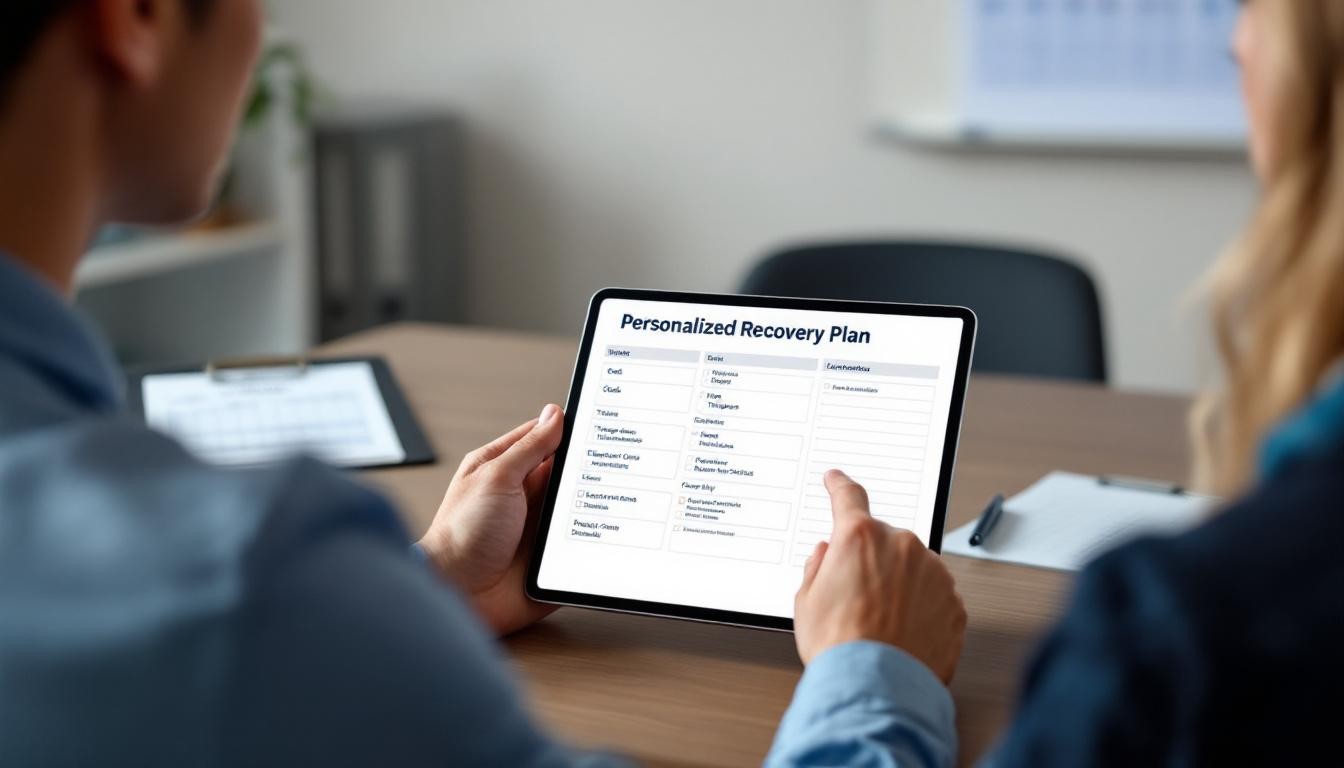
A new beginning can feel impossible when addiction has become part of everyday life. Substance use can affect physical health, emotional well-being, relationships, employment, and confidence, often leaving people unsure of where to turn next. Yet recovery does not require having every answer before asking for help. With professional addiction treatment, mental health support, and an individualized recovery plan, it is possible to begin rebuilding a healthier and more meaningful life. The right treatment program can provide structure, compassion, practical tools, and encouragement while helping each person address the challenges that contributed to substance use in the first place.
Understanding What Addiction Treatment Really Involves
Addiction treatment is more than simply stopping the use of drugs or alcohol. Although achieving and maintaining sobriety is an important part of recovery, lasting change often requires a broader approach.
Substance use may be connected to stress, trauma, depression, anxiety, difficult relationships, physical health concerns, or other challenges. For that reason, comprehensive addiction treatment looks at the whole person rather than focusing only on the substance being used.
Recovery Starts With Understanding
Before treatment recommendations are made, it is important to understand each individual's circumstances. A comprehensive assessment may consider substance use history, physical health, mental health, previous treatment experiences, family relationships, current living conditions, strengths, and personal recovery goals.
This information helps treatment professionals determine the appropriate level of care and develop a plan that reflects the individual's needs. As recovery progresses, that plan can also be adjusted.
Personalized treatment matters because no two recovery journeys are exactly alike.
Finding the Right Level of Addiction Care
One of the most important decisions in addiction recovery is determining the appropriate treatment setting. Inpatient and outpatient programs can both provide valuable support, but they serve different needs.
Inpatient Addiction Treatment
Inpatient treatment offers a structured environment where individuals can focus more fully on recovery. Stepping away from everyday stressors, unhealthy routines, and potential triggers can give someone the stability needed to begin making meaningful changes.
Within a structured treatment setting, individuals may participate in individual counseling, group therapy, recovery education, wellness activities, mental health services, and relapse prevention planning.
For someone who needs a higher level of structure and consistent professional support, inpatient care can provide an important foundation for early recovery.
The goal is not simply to remove someone from their normal environment. It is to give them time and space to develop healthier routines, understand their addiction, and begin practicing skills they can use after treatment.
Outpatient Addiction Treatment
Outpatient treatment provides professional addiction recovery support while allowing individuals to remain at home. Depending on their needs, clients may continue working, attending school, caring for family members, and managing other responsibilities while participating in scheduled treatment.
Outpatient services can include counseling, therapy groups, recovery education, and mental health support.
For some individuals, outpatient treatment may be an appropriate starting point. For others, it can provide an important transition after a more intensive treatment program. Continuing care allows people to practice recovery skills in real world situations while maintaining a connection to professional support.
Treating Mental Health and Addiction Together
Mental health and addiction frequently influence each other. Someone may begin using substances to cope with anxiety, depression, trauma, grief, or overwhelming stress. Over time, however, substance use can make those concerns more difficult to manage.
That is why mental health treatment can be an essential part of comprehensive addiction recovery.
Addressing the Issues Beneath Substance Use
Integrated care can help individuals understand the relationship between their emotional health and substance use. Therapy can provide a safe setting for exploring difficult experiences, identifying unhealthy thought patterns, managing emotions, and developing healthier coping strategies.
When co-occurring mental health concerns are addressed alongside addiction, individuals have an opportunity to work toward greater emotional stability rather than simply focusing on substance use alone.
This whole person approach can create a stronger foundation for long term recovery.
Personalized Treatment Can Make Recovery More Meaningful
People enter addiction treatment with different histories, personalities, responsibilities, challenges, and goals. A treatment plan should recognize those differences.
Creating a Recovery Plan Around the Individual
Personalized addiction treatment begins with listening. Instead of assuming that the same approach will work for everyone, treatment professionals can use assessment information to determine which services and level of care are most appropriate.
A personalized plan may take into account:
- Substance use patterns and history
- Physical and medical health
- Mental health needs
- Previous treatment experiences
- Family and social relationships
- Current living environment
- Personal strengths
- Recovery goals and motivations
As circumstances change, treatment can change too. Someone may begin with a more structured level of care and later transition to outpatient services or other continuing support.
This flexibility allows recovery to remain focused on the person's actual needs.
Exploring Holistic Addiction Recovery
Recovery involves more than clinical treatment. It can also involve rebuilding physical wellness, improving emotional balance, strengthening relationships, developing confidence, and discovering a renewed sense of purpose.
Holistic approaches can complement traditional addiction treatment by encouraging individuals to care for their overall well-being.
Supporting Mind and Body
Depending on individual needs, holistic recovery strategies may focus on mindfulness, stress management, physical wellness, healthy routines, recreational activities, nutritional awareness, emotional balance, and personal growth.
These practices are not intended to replace professional addiction treatment. Instead, they can work alongside clinical services to help individuals develop healthier responses to stress and everyday challenges.
Small changes in daily habits can become important building blocks for a healthier lifestyle.
Faith Based Support Can Provide Another Source of Strength
For some individuals, spirituality is an important part of healing. Faith based programming can provide an opportunity to explore hope, purpose, forgiveness, personal values, and spiritual growth during recovery.
Making Spirituality Part of an Individual Recovery Journey
Faith based support should be personal and respectful. Individuals should have the opportunity to incorporate spirituality into treatment according to their own beliefs and preferences.
For someone who draws strength from faith, spiritual support can become an important source of encouragement during difficult moments. It may also help individuals reconnect with values and a sense of purpose that addiction has disrupted.
A compassionate treatment environment recognizes that personal beliefs can be an important part of the recovery process.
Building Skills for Recovery After Treatment
Completing an addiction treatment program is a major accomplishment, but recovery does not end when formal treatment ends. Returning to everyday life can bring familiar stressors, triggers, responsibilities, and relationships.
Preparation matters.
Relapse Prevention and Continuing Care
A strong recovery plan can help individuals identify potential triggers and develop practical strategies for handling them.
Useful recovery strategies may include:
- Recognizing personal triggers and warning signs
- Developing healthier coping skills
- Maintaining supportive relationships
- Continuing therapy when appropriate
- Establishing consistent daily routines
- Managing stress in healthier ways
- Staying connected with recovery resources
- Knowing when to ask for additional support
Relapse prevention is not about assuming that someone will fail. It is about preparing for challenges and protecting the progress that has already been made.
Continuing support can also help individuals maintain accountability and connection as they build greater independence.
What to Consider When Choosing Addiction Treatment
Finding an addiction treatment program can feel overwhelming. There are many factors to consider, and it may be difficult to know which questions to ask.
Questions Worth Asking
When evaluating treatment options, consider asking:
- How is the treatment plan personalized?
- What level of care is appropriate for my needs?
- Are inpatient and outpatient services available?
- Does treatment address mental health and substance use together?
- What counseling and recovery services are offered?
- Are holistic approaches available?
- Is faith based support available for individuals who want it?
- How is progress evaluated?
- What continuing care or relapse prevention support is available?
The answers can help you understand whether a program is prepared to provide comprehensive care that reflects your circumstances and recovery goals.
You Do Not Have to Know Where to Start
One of the most common concerns people have when seeking addiction treatment is uncertainty. You may not know whether inpatient or outpatient care is right for you. You may not know what type of therapy you need. You may even wonder whether your substance use is serious enough to justify professional treatment.
You do not have to answer all of those questions alone.
A conversation with a qualified treatment professional can help you understand your options. An assessment can provide a clearer picture of your needs and help identify an appropriate path forward.
Asking for information is not a commitment to a particular treatment program. It is simply a way to begin understanding what support is available.
A New Beginning Can Start With One Decision
Addiction can make the future feel limited, but recovery creates opportunities to rebuild. With individualized addiction treatment, mental health support, appropriate levels of care, holistic approaches, and continuing recovery resources, individuals can begin developing the skills and confidence needed for a healthier life.
A new beginning does not mean forgetting the past. It means learning from it, addressing the challenges that contributed to addiction, and making healthier choices moving forward.
If you or someone you love is struggling with substance use, consider reaching out for professional addiction help. You deserve to be treated with dignity, compassion, and respect. The first conversation can be the beginning of a different path, one focused on healing, connection, personal growth, and hope.
Your recovery journey does not have to be perfect. It simply has to begin.