Skip to content

Substance abuse and mental health challenges often exist in a painful cycle that can feel impossible to escape. Many people want help but are unsure where to begin or fear being judged for needing support. Breaking the cycle starts with compassionate, professional care that treats the whole person, not just the symptoms. At White Deer Run, individuals and families find evidence-based addiction recovery and mental health treatment rooted in dignity, respect, and personalized healing.

Understanding the Connection Between Substance Abuse and Mental Health

Addiction rarely exists on its own. Anxiety, depression, trauma, and other mental health conditions frequently contribute to substance use and are often worsened by it. When these concerns are treated separately, recovery becomes more difficult to sustain.

Co-Occurring Disorders Require Integrated Care

Effective recovery programs recognize the importance of treating substance use disorders and mental health conditions together. Integrated care helps individuals understand the root causes of their struggles while developing healthier coping skills. White Deer Run offers comprehensive treatment that addresses both addiction and mental wellness, creating a stronger foundation for long-term recovery.

Why Compassionate Support Matters in Recovery

Shame and stigma are powerful barriers to healing. Many individuals delay seeking help because they fear judgment or feel unworthy of care. Compassionate treatment environments replace fear with understanding and isolation with connection.

A Client-Centered Approach

At White Deer Run, treatment is built around the individual, not a generic model. Every person arrives with a unique history, set of challenges, and personal strengths. Individualized treatment plans help ensure that care aligns with each client’s needs, goals, and values. This approach fosters trust and encourages active participation in the recovery process.

Inpatient and Outpatient Treatment Options

Choosing the right level of care is a key step in breaking the cycle of addiction. Both inpatient and outpatient programs offer meaningful benefits, depending on personal circumstances.

Inpatient Treatment for Focused Healing

Inpatient programs provide a structured, supportive environment with round-the-clock care. This level of treatment is often recommended for individuals with severe substance use disorders, co-occurring mental health conditions, or a history of relapse. By removing daily distractions, inpatient care allows clients to focus fully on healing and skill development.

Outpatient Treatment for Flexibility and Support

Outpatient care allows individuals to receive professional treatment while maintaining work, family, or school responsibilities. Therapy sessions, group support, and mental health services provide ongoing guidance while helping clients practice recovery skills in real-world settings. This option can be especially effective for those transitioning from inpatient care or those with strong external support systems.

Holistic and Faith-Based Healing Approaches

Lasting recovery involves more than abstaining from substances. It requires healing the emotional, mental, and spiritual aspects of life.

Treating the Whole Person

Holistic treatment approaches may include mindfulness practices, stress management, group therapy, and wellness education. These services help individuals reconnect with themselves and build healthier routines. White Deer Run emphasizes balance and personal growth as essential components of recovery.

Faith-Based Support for Those Who Seek It

For individuals who find strength in spirituality, faith-based elements can offer comfort, purpose, and hope. These programs respect individual beliefs while encouraging reflection, accountability, and connection to something greater than oneself. Faith-based support can be a powerful source of resilience during recovery.

Building Skills for Long-Term Recovery

Breaking the cycle of addiction requires ongoing effort and support beyond initial treatment. Effective programs focus on relapse prevention, emotional regulation, and healthy communication.

Clients learn practical tools to manage cravings, cope with stress, and navigate challenging situations. Continued care planning and community support help ensure that recovery remains strong long after treatment ends.

Taking the First Step Toward Change

Breaking the cycle of substance abuse and mental health challenges is possible with the right support. Compassionate, individualized care empowers people to heal, grow, and reclaim their lives. White Deer Run offers professional addiction recovery and mental health treatment designed to meet individuals where they are and guide them forward with respect and understanding.

If you or someone you love is struggling, reaching out can feel intimidating, but it is also a powerful act of courage. Take the next step today by connecting with White Deer Run and discovering a path toward lasting recovery, hope, and renewed purpose.

Addiction can feel overwhelming, isolating, and confusing. When you are ready to take the first step toward recovery, the number of treatment options can feel daunting. Finding the right program is crucial, because the care you choose can make a real difference in your long-term success. White Deer Run offers compassionate, personalized approaches to addiction and mental health treatment, guiding individuals toward lasting healing and renewed hope.

Understanding Your Treatment Options

Addiction recovery is not one-size-fits-all. Programs can range from inpatient care, where clients receive 24-hour support in a structured environment, to outpatient care, which allows for flexibility while still providing professional guidance. Each option has its benefits and may suit different stages of recovery or personal circumstances.

Inpatient Treatment

Inpatient programs provide a safe and supportive environment for individuals struggling with severe addiction or co-occurring mental health conditions. These programs include medical supervision, counseling, and structured daily routines designed to help clients focus entirely on their recovery. White Deer Run combines clinical expertise with a compassionate approach to ensure clients feel supported both physically and emotionally.

Outpatient Treatment

Outpatient care is ideal for individuals who require professional support but cannot step away from daily responsibilities such as work or family. These programs offer therapy, counseling, and peer support while allowing clients to maintain their routines. The flexibility of outpatient treatment also supports a gradual transition back into daily life while maintaining accountability.

The Importance of Holistic and Individualized Care

Addiction recovery is more than addressing substance use alone. Many individuals benefit from treatment programs that incorporate mental health services, stress management, and holistic therapies. White Deer Run emphasizes a comprehensive, client-centered approach that addresses the mind, body, and spirit. Services such as mindfulness practices, group therapy, and individualized care plans ensure that every client receives the support they need to heal fully.

Faith-Based Support

For some, spiritual guidance plays a critical role in recovery. Faith-based programs integrate spiritual principles into treatment while respecting personal beliefs, offering a meaningful source of hope and resilience for clients seeking a deeper connection during their journey.

Key Factors to Consider When Choosing a Treatment Program

Selecting the right program involves more than location or reputation. Here are practical factors to guide your decision:

  • Personalized Assessment: Programs should begin with a thorough evaluation of your physical, emotional, and mental health needs.
  • Qualified Staff: Licensed clinicians and trained professionals ensure safe, effective care.
  • Comprehensive Services: Look for programs that address both addiction and any co-occurring mental health conditions.
  • Continuity of Care: Support should extend beyond initial treatment with aftercare planning and relapse prevention.
  • Environment and Culture: Choose a program where you feel safe, supported, and respected.

Taking the First Step

Reaching out for help is often the hardest step, but it is also the most important. Contacting a professional team allows you to explore options, ask questions, and start building a recovery plan tailored to your needs. White Deer Run is dedicated to guiding each individual toward lasting recovery through compassionate, expert care.

Conclusion

Choosing the right addiction treatment is a critical step toward reclaiming your life. By understanding your options, considering holistic and individualized care, and seeking professional guidance, you can set the foundation for lasting recovery. White Deer Run provides the expertise, support, and personalized care needed to help you navigate this journey. Take the first step today and connect with a team committed to helping you find your path to healing.

Completing a rehab program is a significant milestone, but true recovery extends far beyond treatment. Life after rehab introduces both opportunities and challenges, as individuals work to maintain sobriety while rebuilding their lives. Staying motivated and finding fulfillment in long-term recovery requires intentional effort, healthy routines, and meaningful connections. At White Deer Run, clients are supported with holistic, faith-based, and individualized care that addresses physical, emotional, and spiritual well-being, empowering them to thrive beyond rehab.

Understanding the Journey Beyond Rehab

Transitioning from Structured Care to Daily Life

Rehab provides structure, support, and a safe environment for healing. Once treatment ends, individuals must navigate real-life situations without that same level of oversight. This transition can feel overwhelming, but it also offers a chance to apply new skills, explore personal goals, and embrace independence. Continued support through outpatient care, therapy, and peer groups helps ease this adjustment and reinforces motivation.

Embracing Holistic Recovery

Long-term recovery is more than abstaining from substances. Holistic approaches—integrating physical health, mental wellness, and spiritual growth—create a foundation for sustained fulfillment. At White Deer Run, clients are encouraged to adopt practices like mindfulness, exercise, and spiritual reflection, all of which strengthen resilience and promote overall well-being.

Staying Motivated in Recovery

Set Meaningful Goals

Goal-setting provides direction and purpose. Start with small, achievable steps, such as establishing a daily routine, attending support meetings, or practicing self-care. Long-term goals might include pursuing education, advancing in a career, or volunteering. Achieving these milestones reinforces confidence and keeps individuals focused on their recovery journey.

Celebrate Progress

Acknowledging accomplishments, no matter how small, is essential for maintaining motivation. Whether it’s a week of sobriety, repairing a relationship, or learning a new skill, celebrating progress provides encouragement and reinforces commitment to recovery.

Rediscovering Fulfillment

Reconnect with Personal Interests

Sobriety offers the opportunity to explore passions and hobbies that were neglected during active addiction. Creative pursuits, physical activity, volunteer work, or new educational endeavors can foster joy, self-expression, and a sense of accomplishment. These activities not only enrich life but also provide healthy outlets for stress and emotions.

Build and Strengthen Relationships

Recovery thrives in connection. Rebuilding trust with family, cultivating friendships, and participating in sober communities provide emotional support and accountability. Family therapy, group counseling, and peer support programs at White Deer Run help individuals develop communication skills and maintain healthy relationships.

Preventing Relapse and Maintaining Growth

Identify Triggers and Develop Coping Strategies

Awareness is critical in preventing relapse. Understanding personal triggers and learning to manage stress, cravings, and high-risk situations through coping techniques is essential. White Deer Run equips clients with strategies such as mindfulness exercises, CBT, and problem-solving skills to handle challenges effectively.

Stay Engaged with Continued Support

Recovery is a lifelong process. Engaging in ongoing therapy, support groups, and aftercare programs helps maintain motivation, track progress, and reinforce positive behaviors. These supports create a structured, accountable environment that encourages long-term success.

Building a Life of Motivation and Fulfillment

Life after rehab is an opportunity to create a meaningful, balanced, and fulfilling life. By setting goals, reconnecting with passions, cultivating relationships, and engaging in holistic self-care, individuals can maintain motivation and thrive in long-term recovery.

White Deer Run offers personalized guidance, comprehensive care, and compassionate support to help clients navigate this critical phase. If you or a loved one is ready to embrace life beyond rehab and build lasting fulfillment, reach out to White Deer Run today. Your journey to long-term recovery and a life of purpose begins now.

Recovery from addiction is a courageous journey that extends far beyond achieving sobriety. While completing treatment is a monumental step, many individuals face the challenge of rebuilding the connections and self-confidence that addiction may have disrupted. Rebuilding relationships and rediscovering oneself are essential components of long-term recovery. At White Deer Run, clients are supported with holistic, individualized care that fosters emotional healing, personal growth, and meaningful connection.

The Importance of Rebuilding Relationships

Repairing Trust and Communication

Addiction often damages trust and strains relationships with family, friends, and colleagues. Rebuilding these bonds requires patience, honesty, and consistent effort. Family therapy and counseling offered at White Deer Run provide a safe environment to address past challenges, improve communication, and develop healthy interactions. By actively participating in the repair process, individuals demonstrate commitment to change and create stronger, more supportive relationships.

Establishing Healthy Boundaries

Healthy relationships in recovery depend on clear boundaries. Learning to say no, prioritizing personal well-being, and managing social interactions are key skills for maintaining sobriety. Boundaries protect against relapse and help individuals engage in relationships that are positive and nurturing.

Rediscovering Yourself in Recovery

Reconnect with Your Values and Passions

Addiction can obscure personal interests and identity. Recovery provides an opportunity to explore what truly matters. Reflecting on values, hobbies, and goals allows individuals to reconnect with their authentic selves. Whether through journaling, therapy, or creative outlets, rediscovering passions helps create a life that feels meaningful and fulfilling.

Set Goals for Personal Growth

Personal development is a cornerstone of long-term recovery. Setting achievable goals—such as returning to school, pursuing a new career, or engaging in community service—fosters confidence and a sense of purpose. Breaking these goals into manageable steps ensures steady progress while reinforcing self-esteem and resilience.

Cultivating Supportive Connections

Engage in Peer Support and Community

Sober communities and support groups provide encouragement, accountability, and shared experiences. Connecting with others who understand the journey can reduce feelings of isolation and strengthen commitment to recovery. White Deer Run emphasizes the importance of ongoing engagement in structured support networks to maintain emotional and social well-being.

Celebrate Milestones Together

Recovery is a journey best celebrated with others. Acknowledging achievements, whether personal or relational, reinforces positive behavior and deepens connections. Sharing successes with supportive individuals strengthens both confidence and motivation.

Maintaining Long-Term Growth and Stability

Practice Mindfulness and Self-Care

Mindfulness, meditation, and other self-care practices help individuals stay grounded and navigate life’s challenges without turning to substances. These practices support emotional regulation, reduce stress, and enhance self-awareness—key factors in sustaining recovery.

Remain Committed to Continued Learning

Recovery is an ongoing process of growth and adaptation. Regular therapy, skill-building, and engagement in supportive programs ensure that individuals continue to develop tools for long-term success. White Deer Run provides guidance and resources to support this lifelong commitment to wellness.

A Life Rebuilt with Purpose and Connection

Starting fresh after addiction is both a challenge and an opportunity. By actively rebuilding relationships and rediscovering personal identity, individuals can create a life filled with purpose, connection, and joy. With compassionate guidance, holistic care, and personalized support from White Deer Run, lasting recovery is achievable.

If you or someone you love is ready to take the next step toward rebuilding relationships and embracing a fulfilling life, reach out to White Deer Run today. Your journey to renewed confidence, meaningful connection, and lasting sobriety can begin now.

Achieving sobriety is a monumental milestone in the journey of recovery. However, life after addiction is about more than simply abstaining from substances. True recovery involves creating a life filled with balance, purpose, and joy. Rebuilding your life after addiction requires attention to physical, emotional, and spiritual well-being while reconnecting with meaningful relationships and personal goals. At White Deer Run, clients are guided through holistic, faith-based, and individualized care that empowers them to thrive long after treatment ends.

Understanding Life Beyond Sobriety

Sobriety alone does not guarantee happiness or fulfillment. Many individuals leaving treatment face challenges such as emotional instability, relationship struggles, and difficulty finding purpose. The transition to independent living requires new strategies, support systems, and self-care practices. White Deer Run emphasizes a holistic approach to recovery, addressing the full spectrum of physical, emotional, and mental health to help clients create lasting, meaningful change.

Building Balance in Daily Life

Prioritize Physical and Mental Wellness

Balance begins with self-care. Establishing consistent routines around sleep, nutrition, and exercise supports physical health and emotional stability. Mental health is equally critical. Evidence-based therapies like Cognitive Behavioral Therapy (CBT) and Dialectical Behavior Therapy (DBT) help individuals manage stress, cope with triggers, and develop resilience. Holistic practices, including mindfulness and meditation, also promote equilibrium, helping clients stay grounded during life’s challenges.

Set Healthy Boundaries

Balance extends to relationships and social interactions. Setting clear, healthy boundaries protects your recovery while fostering positive connections. Family therapy and peer support groups offered by White Deer Run teach clients how to communicate effectively, navigate conflict, and strengthen bonds without compromising their well-being.

Discovering Purpose After Addiction

Reconnect with Personal Values

Purpose gives life direction and motivation. Reflecting on personal values, passions, and strengths helps individuals identify what truly matters to them. Journaling, therapy, and spiritual practices encourage self-reflection and clarity, allowing clients to align their actions with their deepest beliefs.

Pursue Meaningful Goals

Setting and achieving goals builds confidence and provides structure. Whether returning to education, pursuing a new career, volunteering, or exploring creative outlets, purposeful activities foster personal growth. White Deer Run encourages clients to engage in endeavors that resonate with their unique identity, helping them find fulfillment beyond sobriety.

Cultivating Joy and Connection

Engage in Positive Social Activities

Joy often comes from connection. Participating in community programs, support groups, or hobbies provides opportunities to form healthy relationships. Rebuilding trust with family and loved ones is equally vital, strengthening emotional support networks that contribute to long-term stability.

Celebrate Progress and Embrace Gratitude

Recovery is a journey, not a destination. Celebrating milestones, no matter how small, reinforces achievement and motivation. Practicing gratitude daily helps individuals focus on positive aspects of life, fostering contentment and resilience.

Sustaining Growth Through Lifelong Practices

Long-term recovery requires ongoing effort. Developing coping strategies, maintaining supportive routines, and seeking help when needed are essential for preventing relapse. White Deer Run’s individualized care plans ensure clients have the tools and guidance to continue growing, evolving, and thriving in all areas of life.

Creating a Life Worth Living

Sobriety is only the beginning. Building a life of balance, purpose, and joy requires intentional effort, support, and self-discovery. With the right strategies, healthy habits, and compassionate guidance, individuals can transform recovery into a fulfilling and meaningful life.

White Deer Run offers the resources, holistic care, and community support needed to move beyond sobriety and truly thrive. Reach out today to take the next step toward lasting recovery, personal growth, and a future filled with purpose and joy.

Recovery from substance abuse is a life-changing accomplishment. Completing treatment is just the first step in reclaiming your life, but lasting recovery requires continued commitment, self-awareness, and support. Moving forward after addiction means more than maintaining sobriety; it involves rebuilding relationships, restoring health, discovering purpose, and creating a life that is meaningful and fulfilling. At White Deer Run, individuals receive holistic, evidence-based care that addresses both the physical and emotional aspects of recovery, empowering them to thrive long after treatment ends.

The Importance of Continuing Care in Recovery

Understanding Recovery Beyond Rehab

Addiction treatment provides essential structure, education, and coping strategies. However, life after treatment introduces new challenges. Stressful situations, old triggers, and social pressures can test even the most committed individuals. Continuing care—including outpatient therapy, support groups, and wellness programs—offers ongoing guidance, helping clients apply the tools they learned during inpatient or intensive outpatient programs.

The Role of Holistic and Faith-Based Support

Recovery is not solely about abstaining from substances. Holistic care—including mindfulness, meditation, exercise, and spiritual practices—supports overall wellbeing. Faith-based approaches, when embraced, can also provide grounding, perspective, and a sense of purpose. White Deer Run integrates these practices into individualized recovery plans to ensure that healing addresses the mind, body, and spirit.

Rebuilding Your Life Step by Step

Focus on Health and Wellbeing

Physical health is critical for maintaining long-term recovery. Balanced nutrition, consistent sleep, and regular exercise boost energy, resilience, and mental clarity. Mental health is equally important; therapies like Cognitive Behavioral Therapy (CBT) or Dialectical Behavior Therapy (DBT) help manage stress, anxiety, or past trauma, reducing the likelihood of relapse.

Strengthen Your Relationships

Addiction often damages trust and communication within personal relationships. Rebuilding these connections requires patience, transparency, and effort. Family therapy and support groups provide safe spaces to repair relationships and develop healthy communication skills. Surrounding yourself with supportive, understanding individuals strengthens both emotional wellbeing and long-term recovery.

Discovering Purpose and Meaning

Set Achievable Goals

Purpose fuels motivation in recovery. Setting both short-term and long-term goals—whether related to education, career, hobbies, or volunteer work—can provide structure and direction. Accomplishing these goals reinforces confidence and self-efficacy, helping individuals see themselves as capable of growth and achievement.

Engage in Meaningful Activities

Participation in activities that bring joy and fulfillment is essential for a balanced life. Creative pursuits, fitness programs, volunteering, or community involvement offer opportunities to explore passions, connect with others, and reinforce sober living. White Deer Run encourages clients to discover interests and hobbies that align with their values and aspirations.

Maintaining Progress and Preventing Relapse

Recognize Triggers and Build Coping Strategies

Relapse can occur when triggers are unrecognized or unmanaged. Identifying stressors, practicing healthy coping techniques, and seeking support before challenges escalate are crucial steps. Continued therapy, group engagement, and mindfulness practices provide the tools needed to stay grounded and resilient.

Celebrate Milestones and Growth

Recovery is a journey, not a destination. Acknowledging accomplishments, no matter how small, reinforces progress and motivation. Each milestone is proof that sustained recovery and personal growth are achievable.

A Life of Fulfillment Awaits

Moving forward after substance abuse is an ongoing process of healing, learning, and rediscovery. By focusing on health, relationships, purpose, and resilience, individuals can create a life that feels meaningful and rewarding. At White Deer Run, compassionate professionals guide clients every step of the way, offering personalized care that integrates holistic, faith-based, and evidence-driven strategies.

If you or someone you love is ready to take the next step toward lasting recovery, reach out to White Deer Run today. Your journey to a stronger, healthier, and more fulfilling life can begin now.

Recovery is more than the process of overcoming substance use. It is the beginning of rediscovering who you are, what you value, and how you want to live. Many individuals find that once treatment ends, they face a new and equally important chapter. This chapter involves rebuilding confidence, reconnecting with others, and learning to trust themselves again. At White Deer Run, the focus on holistic healing, individualized care, and ongoing support helps clients strengthen these essential parts of life so they can move forward with clarity and resilience.

Understanding Why Confidence Matters in Recovery

Confidence is one of the first qualities damaged by addiction, yet it is one of the most important to rebuild. Without confidence, it can be difficult to make healthy decisions, pursue goals, or repair relationships. Confidence is not about being perfect. It is about believing in your ability to adapt, learn, and grow.

White Deer Run provides evidence-based therapy, mental health support, and faith-integrated options that help clients understand their strengths. By addressing emotional wounds and developing healthier coping skills, individuals begin to see themselves as capable and worthy of recovery.

Reclaiming Your Sense of Self

Identify Personal Strengths and Accomplishments

Many people underestimate the courage it takes to seek help and complete treatment. Recognizing the steps already taken is a powerful way to rebuild self-esteem. Journaling, group therapy, and one-on-one counseling are effective ways to explore strengths and celebrate progress.

Develop Healthy Internal Dialogue

Negative thoughts can sabotage recovery. Building confidence begins with how you speak to yourself. Therapists often help clients challenge self-criticism and replace it with realistic and encouraging thoughts. Over time, supportive self-talk becomes a natural part of daily life.

Reconnecting with Others in a Healthy Way

Repairing Relationships Through Consistency

Rebuilding connection is not about quick solutions. It is about consistency, honesty, and patience. Family therapy and communication-focused sessions help individuals learn how to set boundaries, express emotions, and rebuild trust. Loved ones often appreciate being included in the recovery process and benefit from learning how to support healing.

Finding Supportive Communities

Connection does not end with family. Support groups, outpatient programs, and sober communities offer encouragement and understanding. These spaces remind individuals that they are not alone and provide a network of people who share similar goals. White Deer Run encourages continued engagement with structured support to strengthen long-term recovery.

Building Habits That Support Confidence and Connection

Create Routines That Reinforce Stability

Daily routines help reduce stress and support emotional balance. This might include regular sleep, exercise, balanced meals, and time dedicated to mindfulness or hobbies. Healthy routines create predictability, which builds confidence and reduces risk of relapse.

Explore Activities That Bring Joy

Confidence grows when individuals participate in activities that feel meaningful. Volunteering, art, sports, faith-based communities, and outdoor activities can all help individuals rediscover joy and build new relationships. Sobriety opens the door to exploring interests that were overshadowed by addiction.

Moving Forward With Purpose and Resilience

Set Goals That Support Personal Growth

Confidence strengthens with each goal achieved. Whether the goal involves education, employment, physical health, or personal development, breaking tasks into manageable steps helps maintain motivation. Counselors at White Deer Run often help clients create structured plans that support long-term progress.

Use Mindfulness to Stay Grounded

Mindfulness practices deepen self-awareness and reduce emotional reactivity. Simple techniques such as deep breathing, grounding exercises, or short periods of guided meditation help individuals stay centered during stressful moments. This awareness supports both confidence and connection.

You Can Build a Life That Reflects Your Strength

Rebuilding confidence and connection after addiction is a journey that unfolds over time. With supportive relationships, healthy habits, and consistent therapeutic guidance, every individual has the ability to create a fulfilling and stable future. At White Deer Run, the focus is on treating the whole person so that healing becomes more than a goal. It becomes a lived experience.

If you or someone you love is ready to begin the next chapter, White Deer Run is here to help. Reach out today and start building a life grounded in confidence, connection, and lasting recovery.

Recovering from addiction is one of the most profound transformations a person can experience. Sobriety offers more than a fresh start. It creates space for clarity, healing, and new possibilities. Yet many people find that once the early stages of treatment are complete, the next challenge is discovering what comes next. Finding purpose in recovery is not about perfection. It is about building a life rooted in meaning, direction, and personal growth. At White Deer Run, this journey is supported with compassion, evidence-based care, and a belief that every individual deserves a future filled with hope.

Understanding the Role of Purpose in Long-Term Sobriety

Purpose acts as a stabilizing force in long-term recovery. It provides motivation, helps protect against relapse, and guides decision-making. When individuals shift from surviving to actively engaging in life, they begin to see themselves beyond their past struggles. This shift is essential. It supports confidence, resilience, and emotional well-being.

White Deer Run integrates mental health services, holistic therapies, and individualized treatment planning to help clients rediscover their strengths. The goal is to empower each person to build a life that aligns with their values and aspirations.

Reconnecting with Yourself After Treatment

Rediscover Personal Strengths

Addiction often disconnects individuals from who they are. Recovery creates the opportunity to reconnect with personal strengths such as compassion, creativity, or leadership. Therapists at White Deer Run help clients explore these strengths through trauma-informed counseling, behavioral therapies, and holistic practices.

Reflect on Values and Priorities

Purpose begins with clarity. Journaling, routine therapy sessions, and mindfulness activities can help individuals identify what matters most. For some, faith becomes an important anchor. For others, family, service, or personal growth becomes the guiding focus.

Exploring New Interests and Healthy Passions

Engage in Activities That Support Growth

Trying new activities can open doors to long-term fulfillment. Exercise, art, music, volunteering, or skill building can strengthen emotional health and create positive structure. Many individuals discover talents they did not know they had until they embraced sobriety.

Build a Healthy Lifestyle That Supports Stability

Purpose is easier to maintain when daily routines support well-being. Consistent sleep, nutritious meals, and physical activity help regulate mood and increase motivation. These small habits create a strong foundation for continued growth.

Strengthening Relationships and Community Connections

Repair and Rebuild Supportive Relationships

Recovery is not meant to be lived in isolation. Healthy relationships help reinforce purpose by providing encouragement and accountability. Family therapy, offered at White Deer Run, helps bridge gaps and rebuild trust once damaged by addiction.

Stay Connected to Recovery Communities

Support groups and outpatient programs create opportunities to learn from others and stay grounded. These communities provide a sense of belonging and remind individuals that sobriety is a shared journey, not an individual battle.

Building a Future That Feels Meaningful

Set Realistic, Inspiring Goals

Purpose thrives when individuals work toward achievable goals. These can include career changes, educational programs, or personal milestones. Breaking goals into small, manageable steps helps maintain progress and prevents overwhelm.

Pursue Opportunities That Feel Authentic

Purpose does not have to be grand. It simply needs to be genuine. Volunteering, mentoring others in recovery, or choosing a career that aligns with personal values can bring deep meaning to everyday life.

Purpose Is Built One Choice at a Time

Finding purpose in recovery is a journey that unfolds gradually. Each choice, each new habit, and each moment of self-compassion contributes to a life that feels grounded and meaningful. With the right support, long-term sobriety becomes more than a goal. It becomes a path toward growth, fulfillment, and renewed identity.

If you or someone you love is ready to begin that journey, White Deer Run is here with compassionate guidance and evidence-based care. Reach out today and take the next step toward a life filled with purpose and possibility.

Completing addiction treatment is an incredible achievement and a powerful act of courage. Yet, for many individuals, the real work begins after leaving structured care. Long-term sobriety is not just about abstaining from substances; it’s about nurturing a healthy, balanced, and meaningful life. Staying grounded after treatment means continuing to heal emotionally, physically, and spiritually while developing the tools to face life’s challenges with clarity and confidence. At White Deer Run, recovery is seen as a lifelong journey of growth, resilience, and renewal.

Life After Treatment: Continuing the Journey

Recovery does not end when treatment concludes. It evolves into a daily commitment to self-care, awareness, and connection. The transition from a treatment setting back into daily life can feel both exciting and overwhelming. Without the structured support of inpatient care, individuals may face new challenges such as managing stress, navigating triggers, or rebuilding relationships. This is why continuing care, therapy, and community involvement are essential for sustaining recovery.

White Deer Run helps clients develop personalized aftercare plans that support long-term success. Whether through outpatient programs, ongoing counseling, or peer support, the goal is to create a foundation that encourages growth and prevents relapse.

Building a Strong Support System

Stay Connected to Recovery Communities

Community is a cornerstone of long-term sobriety. Surrounding yourself with people who understand your journey can make a significant difference. Support groups, sober living environments, and peer mentorship programs provide encouragement, accountability, and understanding. These connections remind individuals that they are never alone in recovery.

Rebuild Trust and Relationships

Addiction can strain relationships, but healing allows for new beginnings. Reconnecting with loved ones through honesty and communication can strengthen your emotional foundation. Family therapy, offered at centers like White Deer Run, helps rebuild these important connections by addressing pain and creating space for forgiveness and growth.

Cultivating Balance in Daily Life

Prioritize Self-Care

Long-term sobriety requires ongoing attention to physical and emotional well-being. Regular exercise, healthy eating, and adequate rest support both body and mind. Mindfulness practices such as meditation, yoga, or journaling can help manage stress and maintain focus. Small daily habits can create stability and reinforce the progress made during treatment.

Set Meaningful Goals

A fulfilling life in recovery is one that feels purposeful. Setting short- and long-term goals can provide motivation and direction. Whether pursuing education, career growth, or creative passions, these goals build confidence and a sense of accomplishment. Recovery is not about returning to the past but building a future filled with opportunity.

Managing Triggers and Staying Grounded

Triggers are a natural part of recovery, but they can be managed with the right strategies. Recognizing early warning signs, practicing coping techniques, and reaching out for support when needed are key to preventing relapse. Many find grounding through spirituality, faith, or service—values that White Deer Run integrates into its holistic care model. Staying grounded means staying connected to what truly matters: health, relationships, and personal growth.

Embracing Lifelong Growth

Sobriety is not a one-time achievement but a continuous process of learning and evolving. Challenges will arise, but each one provides an opportunity to strengthen resilience. Regular therapy sessions, sober check-ins, and self-reflection can help maintain awareness and reinforce commitment to recovery. Healing is not linear, but with persistence and support, long-term stability is possible.

A New Life Awaits

Healing beyond treatment means creating a life filled with purpose, balance, and hope. By staying grounded, connected, and mindful, you can continue to build on the foundation you created in recovery. At White Deer Run, clients are guided with compassion and respect as they move toward lasting sobriety and personal fulfillment.

If you or someone you love is ready to take the next step toward long-term recovery, contact White Deer Run today. Your journey to lasting wellness and renewal can begin right now.

Completing addiction treatment is one of the bravest and most meaningful milestones a person can reach. Yet, true healing continues long after rehab ends. Recovery is not just about staying sober; it is about rebuilding your life, reconnecting with your purpose, and discovering a sense of renewal. For many individuals, this process takes patience, self-awareness, and ongoing support. At White Deer Run, clients are guided through this next chapter with compassion and individualized care to help them build lives rooted in balance, confidence, and hope.

Understanding the Journey Beyond Treatment

Recovery doesn’t stop once you leave a treatment program. In many ways, it’s the beginning of a new way of living. The early stages of post-treatment life often bring challenges like adjusting to daily routines, managing stress, and rebuilding relationships. This is why continued support through outpatient programs, counseling, and community engagement is so important. White Deer Run emphasizes a holistic, long-term approach to recovery that addresses physical, emotional, and spiritual health.

Step 1: Build a Healthy Foundation

Prioritize Physical Wellness

Rebuilding your health starts with taking care of your body. Regular exercise, balanced nutrition, and adequate rest help restore energy and mental clarity. Even small, consistent habits—like daily walks or mindful eating—can make a significant difference. Physical wellness is closely connected to emotional stability, giving you the strength to manage cravings and stress.

Support Mental and Emotional Healing

Many people in recovery face ongoing mental health challenges such as anxiety, depression, or trauma. Continuing therapy plays a key role in maintaining progress. Evidence-based treatments like Cognitive Behavioral Therapy (CBT) and Dialectical Behavior Therapy (DBT) help you identify triggers, manage emotions, and replace old coping patterns with healthier ones. At White Deer Run, these therapies are integrated with holistic approaches to support complete healing.

Step 2: Rebuild Relationships and Community Connections

Addiction often isolates individuals, creating distance between family, friends, and loved ones. Recovery is an opportunity to rebuild those relationships with honesty and care. Family therapy can help repair trust and improve communication, while group therapy and peer support programs offer encouragement from people who truly understand the journey. Staying connected to a sober community fosters accountability and belonging, which are essential for long-term success.

Step 3: Discover Purpose and Meaning

A meaningful life in recovery goes beyond abstaining from substances. It’s about finding what makes you feel fulfilled and alive. Setting realistic goals, exploring new interests, volunteering, or pursuing education and career opportunities can provide a sense of direction. Many individuals also find renewal through faith or spirituality, which can bring peace, hope, and perspective. White Deer Run encourages clients to explore what gives their lives meaning, helping them rediscover who they are beyond addiction.

Step 4: Commit to Ongoing Growth

Recovery is not a destination but a lifelong process of learning and growth. Developing a relapse prevention plan, attending therapy, and maintaining healthy routines are key to staying grounded. Celebrate progress, no matter how small, and practice self-compassion along the way. Setbacks may happen, but with support and perseverance, you can continue to move forward stronger than before.

Reclaiming Your Life Starts Today

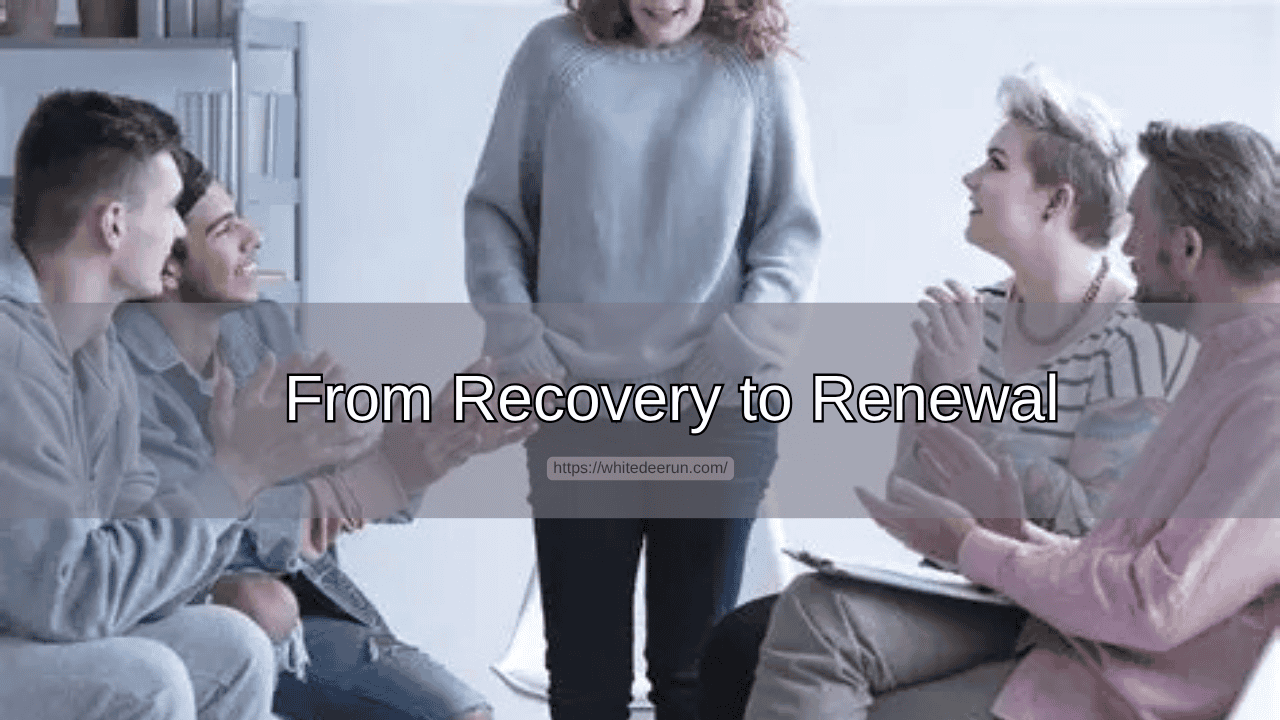
From recovery comes renewal—a chance to live with intention, strength, and purpose. Reclaiming your life after addiction means choosing healing every day and surrounding yourself with people and practices that nurture your well-being. At White Deer Run, clients are not defined by their past but empowered by their potential.

If you or someone you love is ready to take the next step toward lasting recovery, reach out today. With the right care, guidance, and commitment, a fulfilling life of freedom and renewal is within reach.